
Everyone Participates: The Power of Inclusive Recreation
by Joslyn Nordmark
May 2026
According to researchers at North Dakota State University, nearly 3,000 people in Bottineau and Rolette County have at least one disability. Disability refers to any condition that affects thinking, seeing, hearing, doing everyday tasks like getting dressed, or even being able to just go for a walk in a nearby park – an activity which brings up the topic of inclusive recreation.
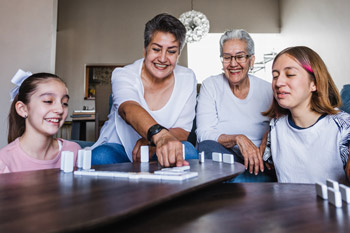 While recreation
involves the fun activities people do in their free time,
like sports, crafts, or outdoor events, inclusive
recreation goes a step further: making sure people with
disabilities can enjoy these activities just like
everyone else and providing them opportunities regardless
of their abilities. It recognizes that individuals learn,
think, move, and participate in activities in different
ways but might need additional support to do so.
While recreation
involves the fun activities people do in their free time,
like sports, crafts, or outdoor events, inclusive
recreation goes a step further: making sure people with
disabilities can enjoy these activities just like
everyone else and providing them opportunities regardless
of their abilities. It recognizes that individuals learn,
think, move, and participate in activities in different
ways but might need additional support to do so.
To maximize inclusive recreation, either the activity or the environment might require modifications. For example, large-print instructions allow someone with a visual impairment participate in a game. A special boat ramp makes boarding easier for a friend in a wheelchair or grandparents who use walkers. Even events that host activities like cooking and dancing can be modified by having seating for those who aren't able to stand. Simplifying rules to an activity can help so that those with intellectual disabilities participate. And don't forget that crafting – an activity grandma loves but whose memory makes participation more difficult – can benefit from having trained staff around to assist.
Why go through the effort to make recreation inclusive? Research shows there's both physical and mental health benefits linked to recreation. Just two and a half hours of physical activity per week can help lower blood pressure, lessen the chance of diabetes, and keep the joints and muscles in better working condition for a longer period of time. Research also shows brain health benefits like increasing confidence and making someone with limitations feel less isolated.
Where are the facilities dedicated to inclusive recreation? Many residents in Bottineau and Rolette counties may not even be aware of their own local organizations that offer inclusive year-round activities – both indoor and outdoor. Additionally, these facilities are not just available for the 3,000 with disabilities, but for people without, because inclusive suggests that 100% of anyone interested would benefit from recreational opportunities.
Maybe coming as a surprise, recognizing the benefits of inclusive recreation is also about community awareness, meaning that North Dakota community members with their own ideas about how something could become more inclusive can share those ideas with local organizations, council members, parks and recreation departments, and even schools.
Last, and not to be overlooked, is the involvement of occupational therapists (OTs), a healthcare professional who plays an important role in making inclusive recreation possible. They help adapt activities, environments, and equipment so people of all abilities can participate safely and with confidence. OTs also work with individuals, families, and community programs to support meaningful engagement in everyday activities to ensure that recreation is truly inclusive and enjoyable for everyone. If OT assistance might be of value, local primary care providers can help those interested connect with the local or nearby OT.
About the Author
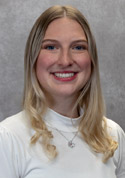 Rolla, North Dakota, native Joslyn
Nordmark is a 3rd year occupational therapy
doctorate student at the University of North Dakota
School of Medicine & Health Sciences. Gaining clinical
experiences in Bottineau County, she's also participating
in the Targeted Rural Health Education project that
focuses on writing health information articles to share
with rural newspaper readers. The information here is not
intended for diagnosis or treatment and should not be
used in place of previous medical advice provided by a
licensed provider.
Rolla, North Dakota, native Joslyn
Nordmark is a 3rd year occupational therapy
doctorate student at the University of North Dakota
School of Medicine & Health Sciences. Gaining clinical
experiences in Bottineau County, she's also participating
in the Targeted Rural Health Education project that
focuses on writing health information articles to share
with rural newspaper readers. The information here is not
intended for diagnosis or treatment and should not be
used in place of previous medical advice provided by a
licensed provider.