
Pathways to Success: Resources After High School
by Kyra Schwartz
May 2026
Across North Dakota, high school graduation is a meaningful step toward independence. For many students and families, what comes next can feel exciting, overwhelming, or both. For young adults with learning or physical challenges, their schools, teachers and specialists often help guide those next steps. However, after graduation, those supports can shift, and students and families often have to navigate services on their own. Knowing where to start and what resources are available might make the transition smoother.
For many young adults, one of the first goals after graduation is finding a job – but that first step is not always easy. In smaller communities, there are often fewer job opportunities, training programs, and chances to build work experience. However, transition services can help eligible students prepare for life after high school through job coaching, workplace training, and support connecting with employers. Typically introduced to these services through their school team, individuals' families can also ask how to continue accessing them after graduation.
Another key resource is the North Dakota Division of Vocational Rehabilitation, part of the state's Health and Human Services department that provides supports for individuals with learning or physical challenges to become job-ready and maintaining employment. Services may include career planning, job training, assistive technology, and ongoing support on the job. Graduates and their families can apply directly or connect through a school or community agency to get started.
 After graduation, young
adults are expected to take on more responsibility in
their everyday lives – such as managing
schedules, handling money, preparing meals, and
participating in their communities more independently.
For those graduates with learning and physical
challenges, occupational therapists (OTs) can support
this process. OTs are healthcare professionals who help
individuals build the skills needed to participate in
daily life, including working and living as independently
as possible. Families can ask their doctor, school, or
local programs about how to connect with OT or similar
services.
After graduation, young
adults are expected to take on more responsibility in
their everyday lives – such as managing
schedules, handling money, preparing meals, and
participating in their communities more independently.
For those graduates with learning and physical
challenges, occupational therapists (OTs) can support
this process. OTs are healthcare professionals who help
individuals build the skills needed to participate in
daily life, including working and living as independently
as possible. Families can ask their doctor, school, or
local programs about how to connect with OT or similar
services.
Transportation is another common challenge in rural communities. Jobs, training programs, and other services are often located miles away, and public transportation options may be limited. Having a reliable way to get to work or appointments, whether through community programs, regional transit, or support from family and friends, can make a significant difference in maintaining independence and staying connected.
Graduation should open the door to future opportunities. With the right supports in place, all young adults – including those with learning or physical challenges – can continue to grow, work, and participate in their communities. New graduates and their families do not have to navigate this transition alone. Connecting early with available resources can help make the path forward clearer.
About the Author
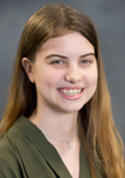 Foxholm, North Dakota, native Kyra
Schwartz is a 3rd year occupational therapy
student at the University of North Dakota School of
Medicine & Health Sciences. Collaborating in a special
program to develop resources for rural North Dakotans,
she's also participating in the Targeted Rural Health
Education project that focuses on writing health
information articles to share with the state's rural
newspaper readers. The information here is not intended
for diagnosis or treatment and should not be used in
place of previous medical advice provided by a licensed
provider.
Foxholm, North Dakota, native Kyra
Schwartz is a 3rd year occupational therapy
student at the University of North Dakota School of
Medicine & Health Sciences. Collaborating in a special
program to develop resources for rural North Dakotans,
she's also participating in the Targeted Rural Health
Education project that focuses on writing health
information articles to share with the state's rural
newspaper readers. The information here is not intended
for diagnosis or treatment and should not be used in
place of previous medical advice provided by a licensed
provider.